Occupational Therapy
Helping children explore, play, and thrive in their daily activities
What is Occupational Therapy?
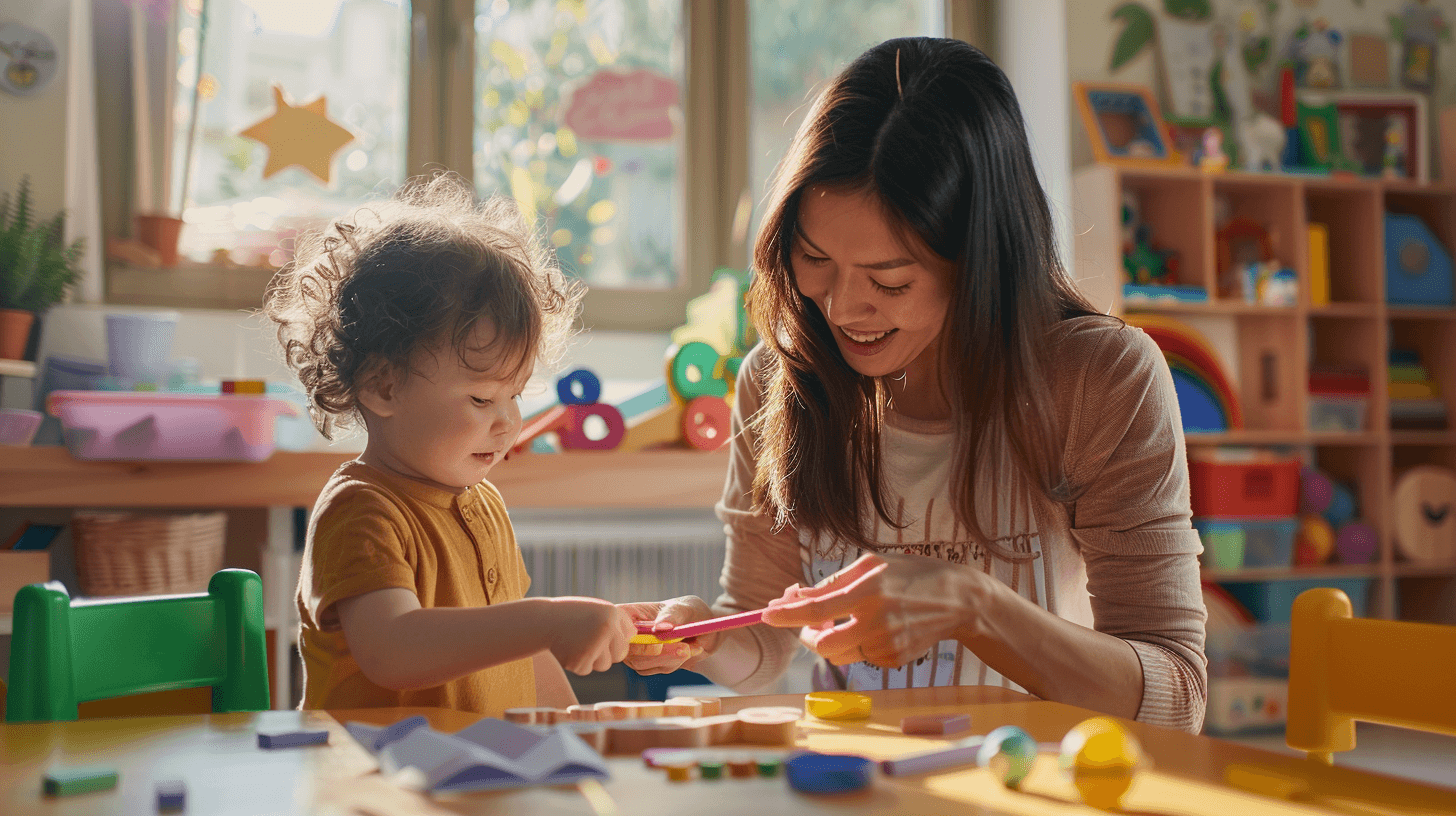
Occupational therapy (OT) helps children develop the skills needed for daily life—playing, eating, dressing, and exploring their world. For young children, their "occupation" is learning through play and interaction.
Signs Your Child Might Benefit
- Difficulty with grasping or manipulating small objects
- Sensitivity to textures, sounds, or lights
- Avoids messy play or certain food textures
- Difficulty with self-feeding or using utensils
- Poor hand-eye coordination
- Challenges with attention or regulation
- Delayed self-care skills
Areas We Address
-
✋ Fine Motor Skills
Grasping, reaching, manipulating objects -
👁️ Visual-Motor Skills
Hand-eye coordination, tracking -
🎨 Sensory Processing
Managing sensory input from environment -
🍽️ Self-Care & Feeding
Eating, dressing, daily routines
What Happens in a Session?
Every session is customized to your child's needs, but here's what you can expect:
1. Play-Based Activities
Using sensory play, fine motor tasks, and adaptive activities that engage your child while targeting specific developmental goals.
2. Parent Coaching
We teach you strategies to support your child's development throughout daily routines—dressing, feeding, bathing, and play.
3. Progress Monitoring
Regular assessment and data collection to track development and adjust intervention strategies for optimal outcomes.
Expected Outcomes & Timeline
Most families see meaningful progress within 3-6 months of consistent therapy:
Improved fine motor skills, better tolerance of sensory experiences, emerging self-care abilities
Enhanced coordination, greater independence in daily activities, improved play skills and engagement
Timeline varies based on individual needs and frequency of therapy. We reassess progress every 6 months.
Frequently Asked Questions
Most children benefit from 1-2 sessions per week, depending on their individual needs and goals. We'll create a personalized plan during our initial sessions that works best for your family and your child's development.
Sessions can occur in your home, at daycare, at our center, or via telehealth. Home-based therapy is often preferred because children are most comfortable in familiar environments and we can work within your daily routines.
Yes! Occupational therapists are trained in oral motor skills, sensory processing, and feeding development. We can address picky eating, texture aversions, utensil use, and self-feeding skills. We often collaborate with speech therapists for comprehensive feeding support.
Ready to Support Your Child's Development?
Contact us to discuss your child's occupational therapy needs.
Get Started Today